
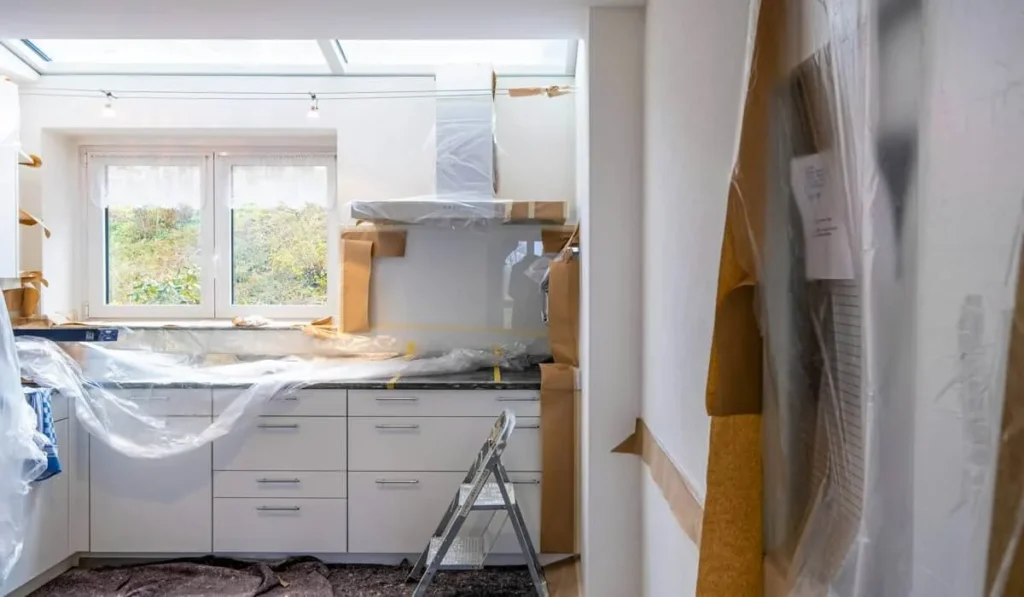
Renovations are not a fixed cost. They’re variable costs that change based on materials, labor, scope, and surprises you find along the way. In New Jersey, renovation costs can swing from $100-250 per square foot for basic work to over $800 per square foot for premium projects.
Let’s break down why renovation costs move around so much and what you can actually control.
Why Renovation Costs Are Variable, Not Fixed
Fixed costs stay the same no matter what. Think of your mortgage payment or insurance premium. They don’t change month to month.
Variable costs change based on your choices and circumstances. Renovations fall squarely into this category because dozens of factors affect the final price.
Your renovation cost depends on what you want, what you find, and what you choose along the way. No two projects are identical, even in similar homes.
What Makes Renovation Costs Variable?
Materials drive huge cost swings. Basic laminate countertops cost $20-40 per square foot. Premium quartz runs $60-100 per square foot. Natural stone? You’re looking at $80-150 per square foot.
Labor costs vary by complexity. Simple drywall work runs $2-4 per square foot. Custom tile installation can hit $15-25 per square foot. Specialized work like plumbing or electrical costs even more.
Project scope changes everything. A cosmetic bathroom refresh might cost $8,000-15,000. A full gut renovation with layout changes? You’re looking at $16,500 to $69,500 and up for New Jersey bathroom remodels.
The Big Cost Variables You Can Control
Material choices give you the biggest control over costs. You can choose budget-friendly options or splurge on premium materials. The choice is yours.
Project scope is another major lever. Adding a powder room to your basement costs way less than a full bathroom with a shower. Keep the scope tight to control costs.
Timing matters for labor costs. Contractors charge more during busy seasons. Book work in winter months to save 10-20% on labor.
DIY portions can slash costs if you’ve got skills. Demo work, painting, and simple installations are DIY-friendly. Leave the technical stuff to pros.
The Variables You Can’t Control
Hidden problems behind walls are renovation wildcards. Old wiring, plumbing issues, or structural problems add costs you can’t predict.
Permit requirements vary by project and location. Some permits cost $200, others hit $2,000+. You won’t know until you apply.
Material availability affects costs too. Supply shortages drive prices up. Popular materials might face long lead times.
Code requirements can force upgrades you didn’t plan for. Older homes often need electrical or plumbing updates to meet current codes.